About Steam Filter
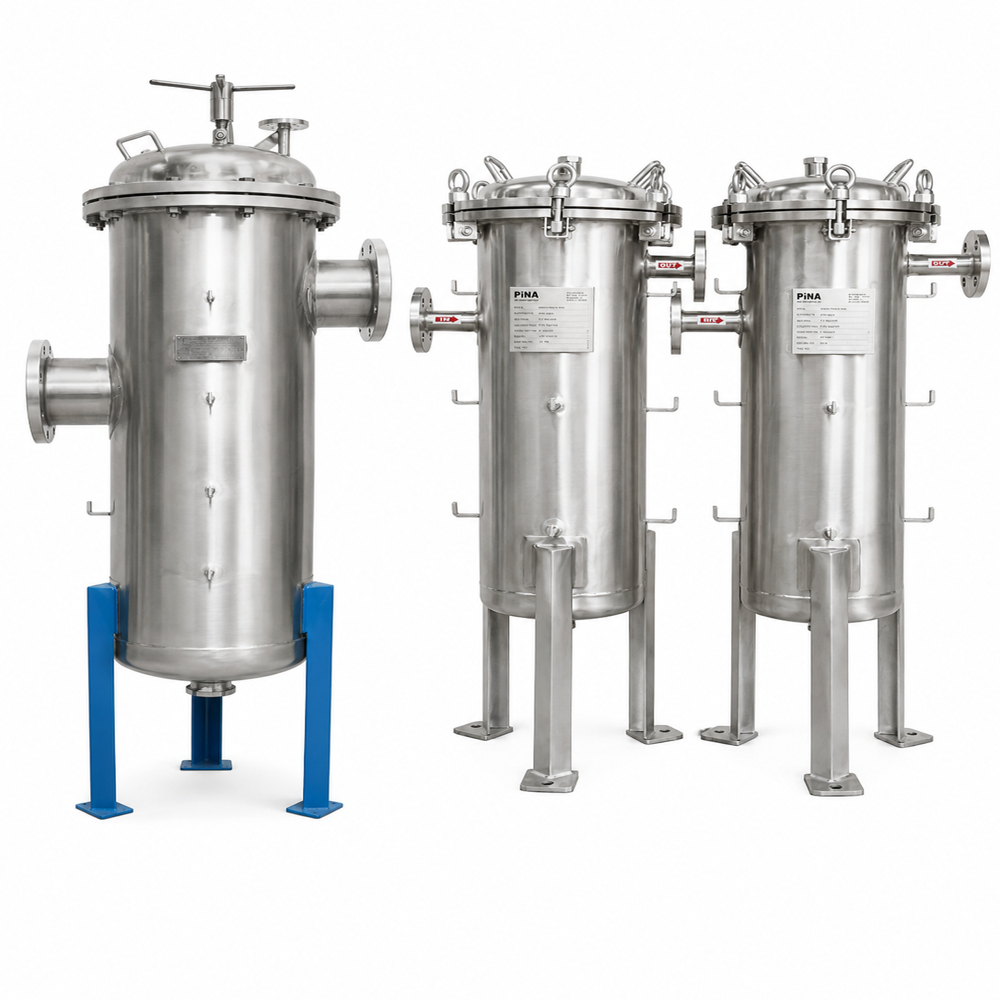
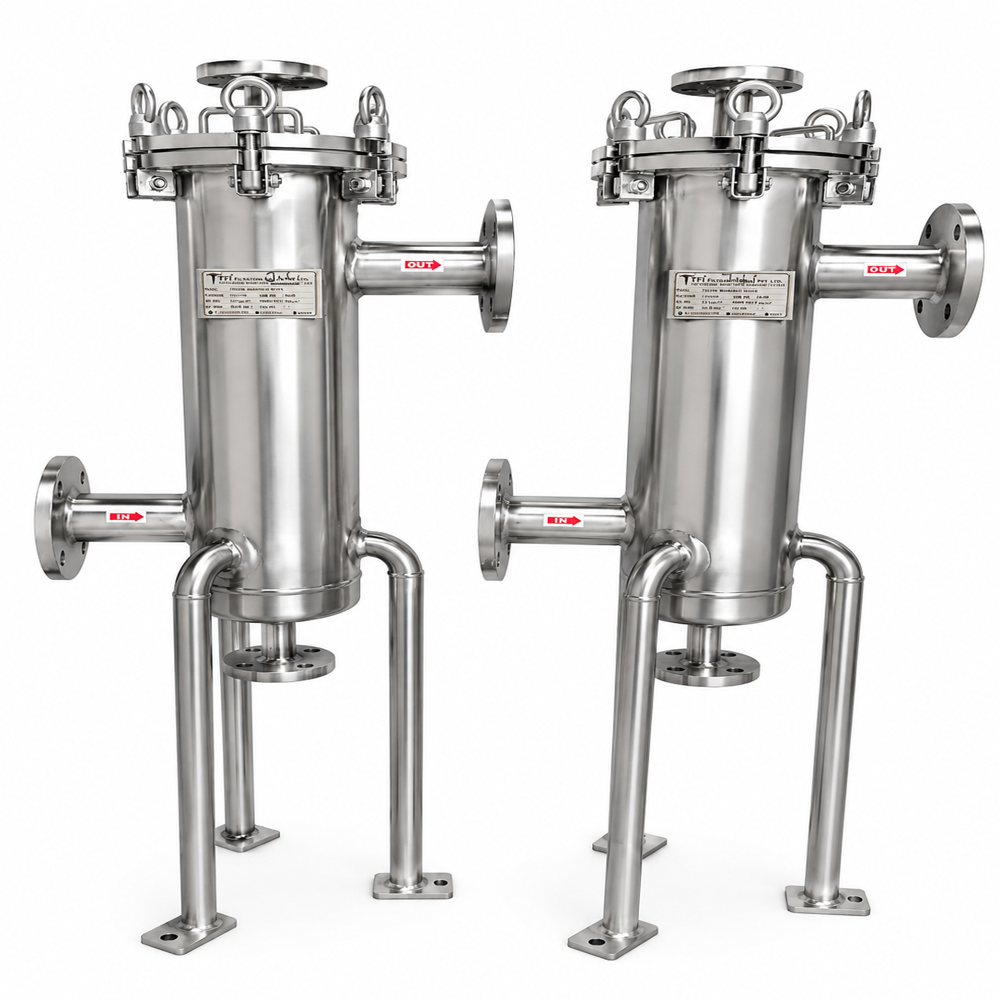
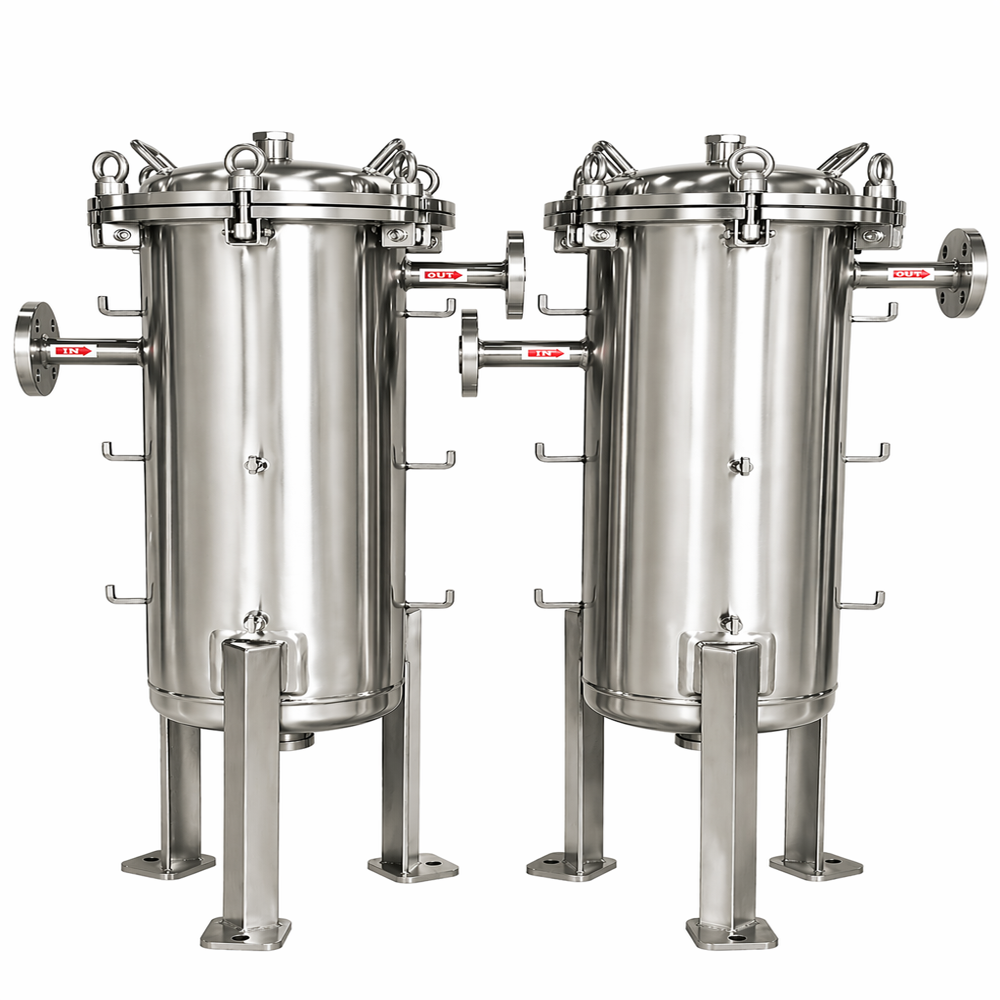
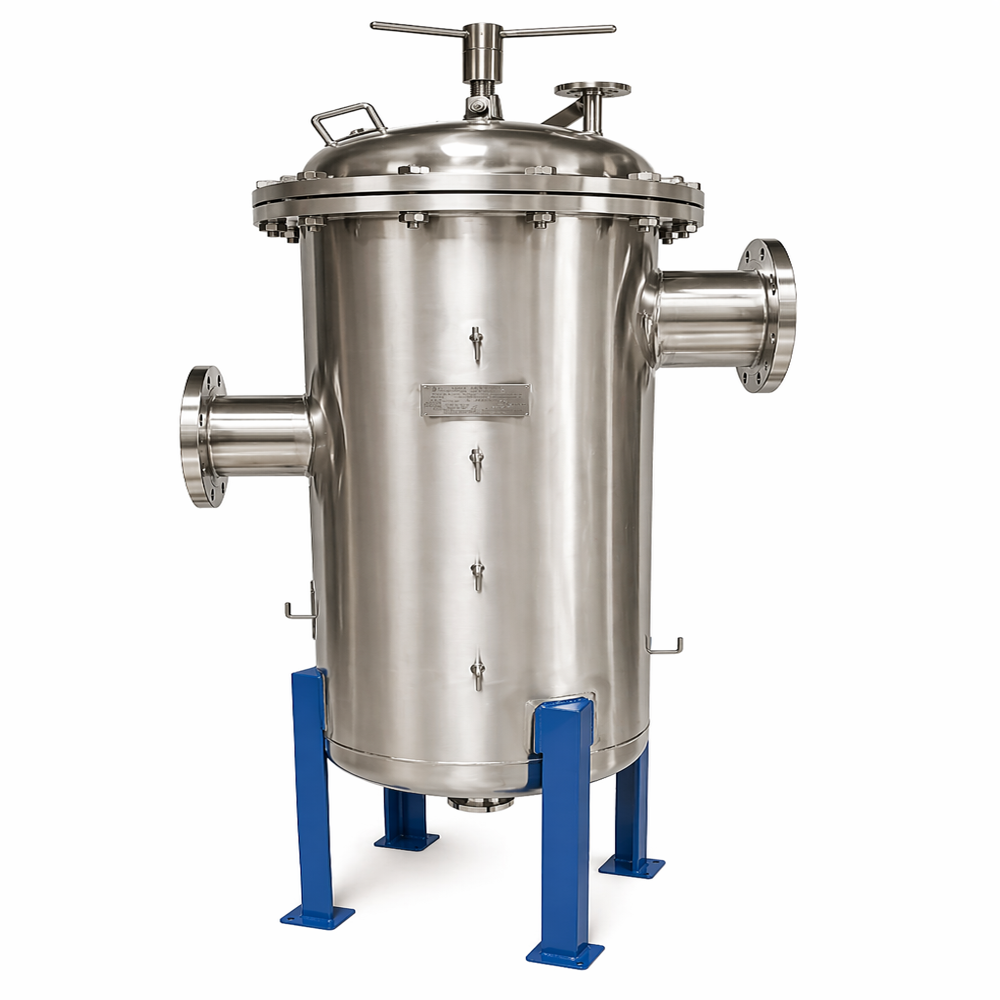
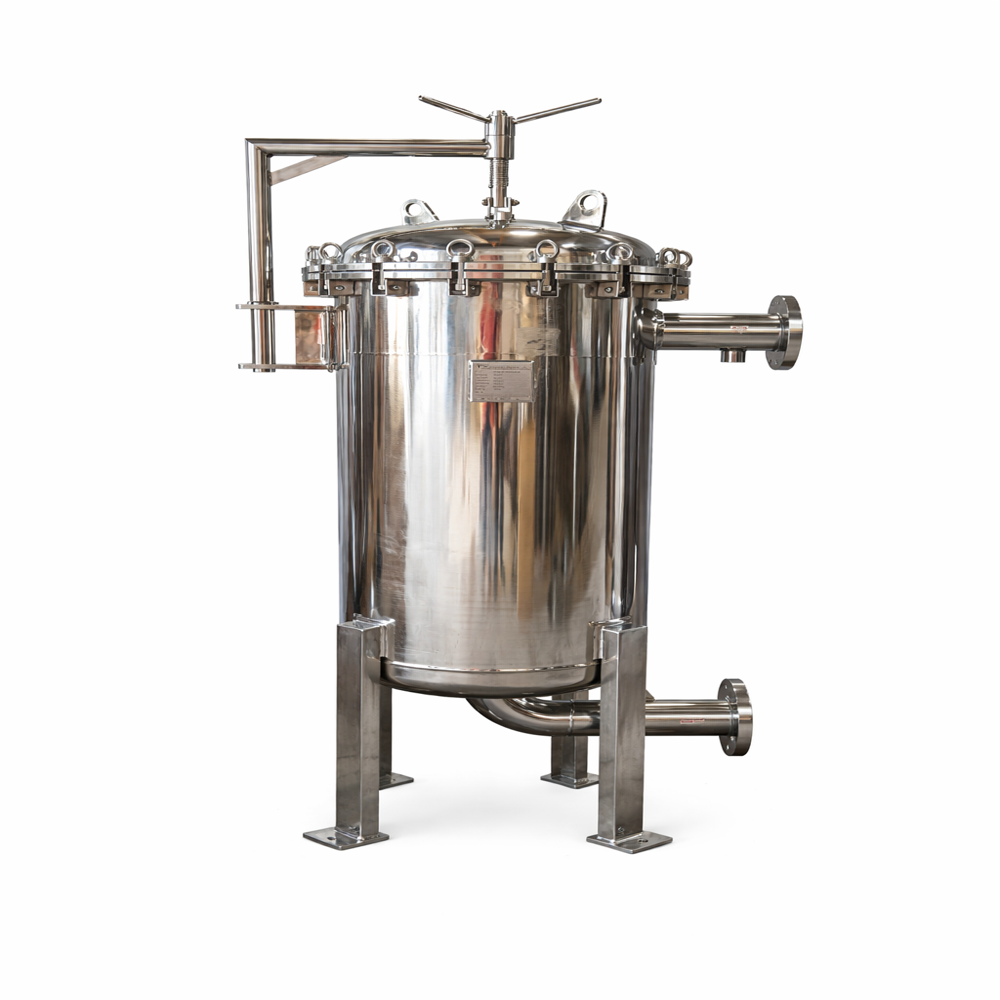
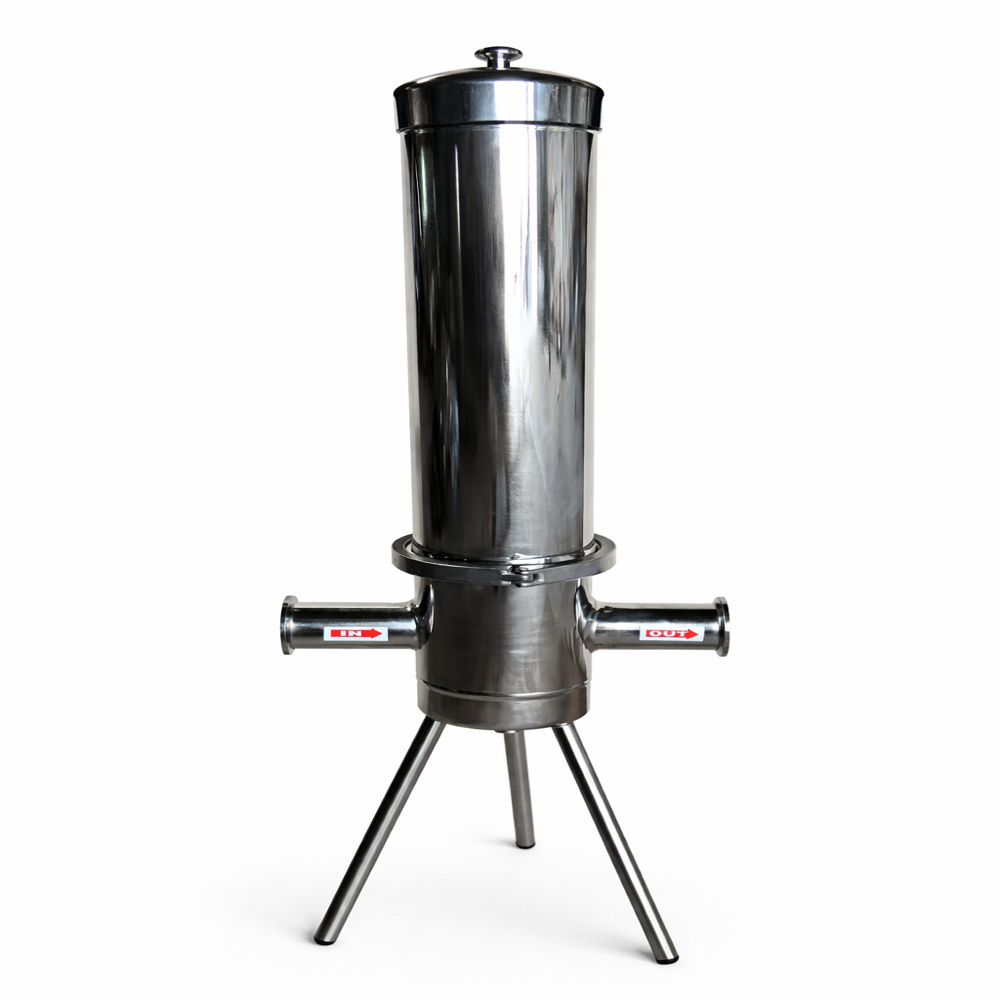
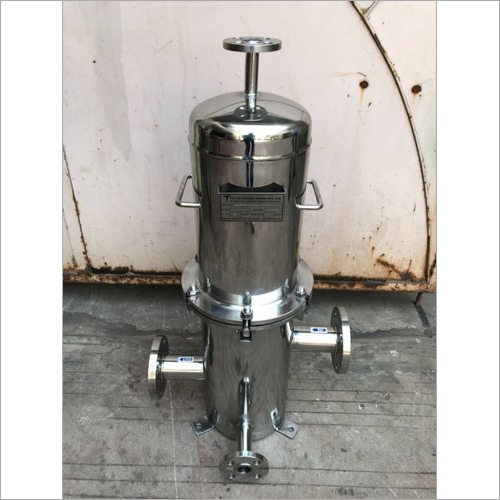
Culinary Steam Filter
Steam is widely used in the food and beverage industry for direct product contact, cooking, sterilization, humidification, and cleaning. A Culinary Steam Filter is specially designed to remove rust, pipe scale, condensate, and other solid contaminants from steam, ensuring it meets culinary steam quality requirements for food processing applications.
TFI Culinary Steam Filters are manufactured from high-quality stainless steel and are designed to provide high filtration efficiency, low pressure drop, and reliable performance. The filter housing and steam filter cartridges are suitable for high-temperature steam service and help maintain product quality, protect downstream equipment, and comply with food industry hygiene standards.
Features
- High-efficiency filtration for culinary steam applications
- Removes rust, scale, dirt, and condensate particles
- Suitable for direct food-contact steam applications
- Stainless Steel (SS304/SS316/SS316L) construction
- High-temperature and high-pressure resistant
- Low pressure drop with high dirt-holding capacity
- Easy cartridge replacement and maintenance
- Hygienic design for food and beverage industries
- Available in customized flow capacities and connection sizes
- Durable and corrosion-resistant construction
Applications
- Food Processing Plants
- Beverage Industry
- Dairy Processing
- Pharmaceutical Industry
- Breweries
- Sugar Industry
- Commercial Kitchens
- Steam Sterilization Systems
- Bakery & Confectionery
Typical Specifications
- Housing Material: SS304 / SS316 / SS316L
- Filter Media: Sintered Stainless Steel / Pleated Stainless Steel
- Filtration Rating: 1 to 25 Micron
- Operating Pressure: Up to 20 Bar (customizable)
- Operating Temperature: Up to 250C (depending on design)
- Connection Type: Flanged / Threaded / Tri-Clamp
- Flow Capacity: As per customer requirement
- Seal Material: PTFE / EPDM / Viton
Frequently Asked Questions (FAQ)
1. What is a Culinary Steam Filter?
A Culinary Steam Filter removes contaminants such as rust, pipe scale, condensate, and solid particles from steam used in food and beverage processing to ensure clean, high-quality steam.
2. Why is culinary steam filtration important?
It helps prevent product contamination, protects processing equipment, improves product quality, and supports compliance with food safety standards.
3. What contaminants does the filter remove?
The filter removes:
- Rust particles
- Pipe scale
- Dirt
- Metal particles
- Condensate solids
- Other suspended contaminants
4. What micron ratings are available?
Standard micron ratings range from 1 to 25 microns, with customized options available based on the application.
5. Which industries use Culinary Steam Filters?
These filters are commonly used in:
- Food processing
- Dairy
- Beverage manufacturing
- Breweries
- Pharmaceutical production
- Bakeries
- Commercial kitchens
6. What materials are used for the filter housing?
The housing is typically manufactured from SS304, SS316, or SS316L stainless steel, depending on the application requirements.
7. Can the filter handle high-temperature steam?
Yes. Culinary Steam Filters are designed to withstand high-temperature and high-pressure steam conditions suitable for industrial processing.
8. Are customized sizes available?
Yes. Filters can be customized according to:
- Flow rate
- Line size
- Pressure
- Temperature
- Connection type
- Filtration efficiency
9. How often should the filter cartridge be replaced?
Replacement depends on steam quality, operating conditions, and contamination levels. Regular inspection and scheduled maintenance are recommended to maintain filtration efficiency.
10. What information is required to select the right Culinary Steam Filter?
To recommend the correct filter, please provide:
- Steam flow rate
- Operating pressure
- Operating temperature
- Pipe size
- Required filtration micron
- Connection type
- Steam quality/application
- Material of construction (SS304/SS316/SS316L)
11. Can the filter be used for direct food-contact steam?
Yes. When properly selected and installed, a Culinary Steam Filter is suitable for applications where steam comes into direct contact with food products.
12. What are the benefits of installing a Culinary Steam Filter?
- Improves steam purity
- Protects product quality
- Reduces contamination risk
- Extends equipment life
- Low maintenance
- Reliable long-term performance
- Supports hygienic food processing operations



 Send Inquiry



 Send Inquiry


 Send Inquiry
 Send SMS
 Call Me Free
